

Some people consider Buddhism a religion. For others it is a technology for mindfulness. Some think of it as a bundle of practices that can be added on to one's existing beliefs. Whatever your belief, ceremonies, celebrations, memorials, marriages, and other events can be "more Buddhist" if they center on the main tenets of Buddhism.
Present Moment = Love
For Buddhists, there are two main areas of concern. First is an appreciation of the present moment. Evan believes that being fully in the present moment opens us all more fully to love. Many of life's most meaningful aspects can only occur in the present. Love, friendship, joy, compassion, beauty, generosity, and kindness can only arise if we are not distracted from the present. It is all too easy to be distracted from our immediate life by worry, anger, regrets, doubts, planning for the future, living in past memories, etc. Many of our self-centered concerns work as a veil between ourselves and our lives. So Buddhism teaches meditation--not so we can have mystical experiences, but so that we can lower the veil that is in front of our eyes.
Buddhist practices, including meditation, involve a commitment to stay in the midst of what is happening. Staying in the present, even when difficult, helps keep our hearts open.
Since we practice staying in the present moment, Buddhism also encourages people to find their own truth- to experience fully all the 10,000 joys and 10,000 sorrows that Human existence brings to us in the present moment. This opens our hearts to the experiences of others and ultimately we see that we are all connected. Our interconnectedness is another of the core teachings.
In a ceremony, this interconnectedness encourages us to share the truth of our situation and share that experience with others, who will, at some level, naturally relate to our feelings. Since ceremonies are intended to mark the passage of important events, allowing attendees to have their true feelings and share them with others (without causing harm to another) is a great service to those attending a "Buddhist" ceremony.
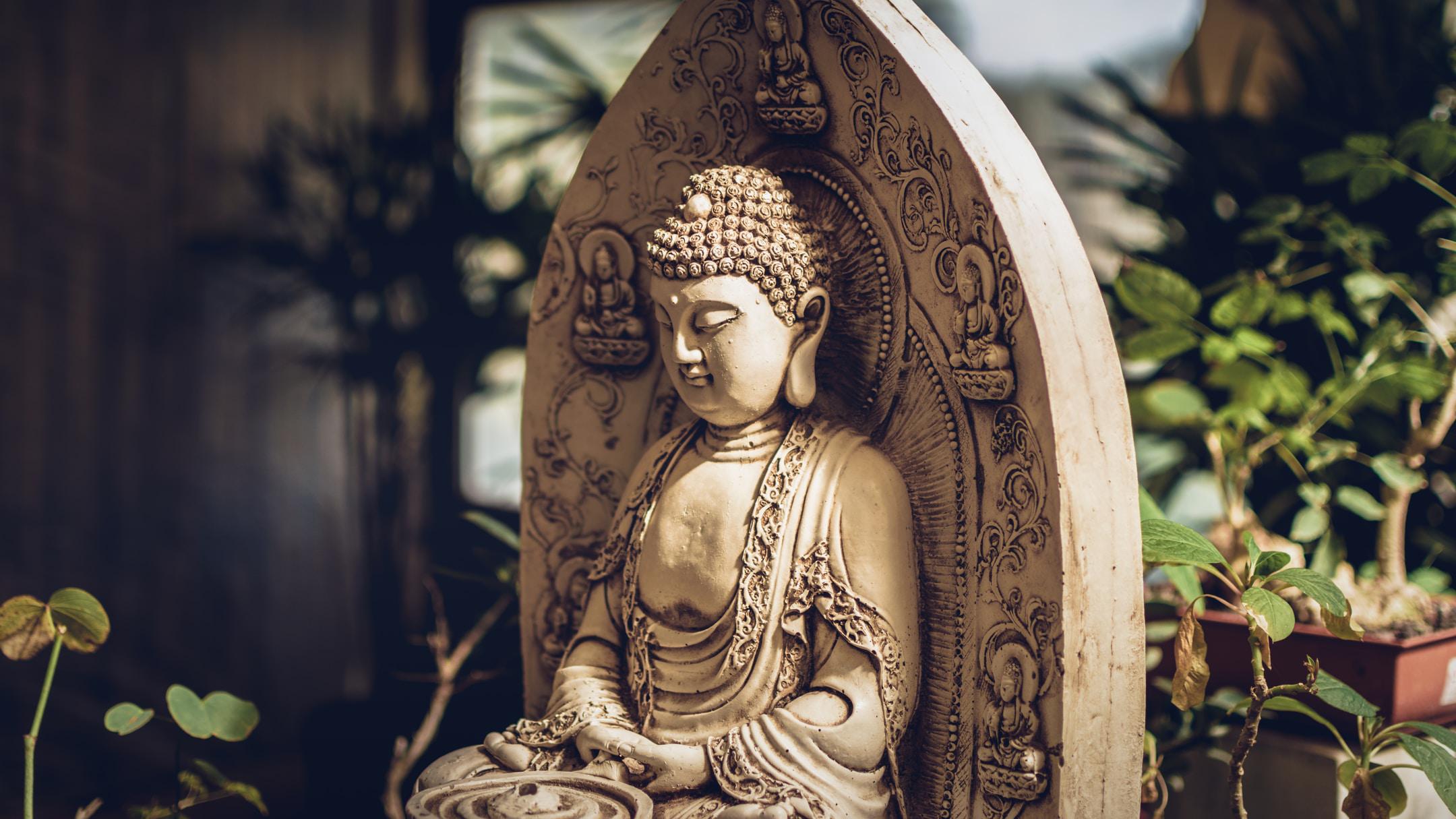
Compassion, Interconnectedness
I am often asked what makes someone a Buddhist. There is no perfect answer to this, especially since there is no certifying body who checks people's Buddhist membership cards. Further, since one of the central teachings of Buddhism is that there is no identifiable "self", taking on an identity of being a Buddhist (having a Buddhist self) is antithetical. Many people, however, seem to identify their becoming a Buddhist with the taking of the Refuges and Precepts.
Taking the refuges involves saying that one takes refuge in the Buddha (the idea of an enlightened human), the Dharma (the collection of Buddhist teachings from the Buddha's time in 500 BCE until now), and the Sangha (originally the group of enlightened beings who were contemporary followers of the Buddha and now often more generally meaning the community of practitioners).
Taking the Precepts (five of them for most people) is undertaking living by skillful means, especially avoiding harming others with poor conduct. Stated positively, this includes:
The biggest difference between these and traditional Judeo Christian thought is that there is no God to punish one for transgressing. There is karma, which is the simple lesson that doing harm brings suffering and bad results for all parties involved, whether in this lifetime or the next (or, if you do not believe in reincarnation, in this moment or the next).
There are also many other recognizably Buddhist teachings and principles which can be incorporated into a ceremony. In a wedding ceremony, for instance, many people want to express some of the spiritual values that they intend to base their relationship on. The Brahma Viharas (generosity, equanimity, compassion and empathetic joy) and the Paramitas (a list of good qualities people strive for) are perfect places to start discussions on how these qualities fit into people's spiritual aspirations.
In all cases, with staying in the present moment as a guiding principle, each ritual or ceremony is authentic and meaningful.
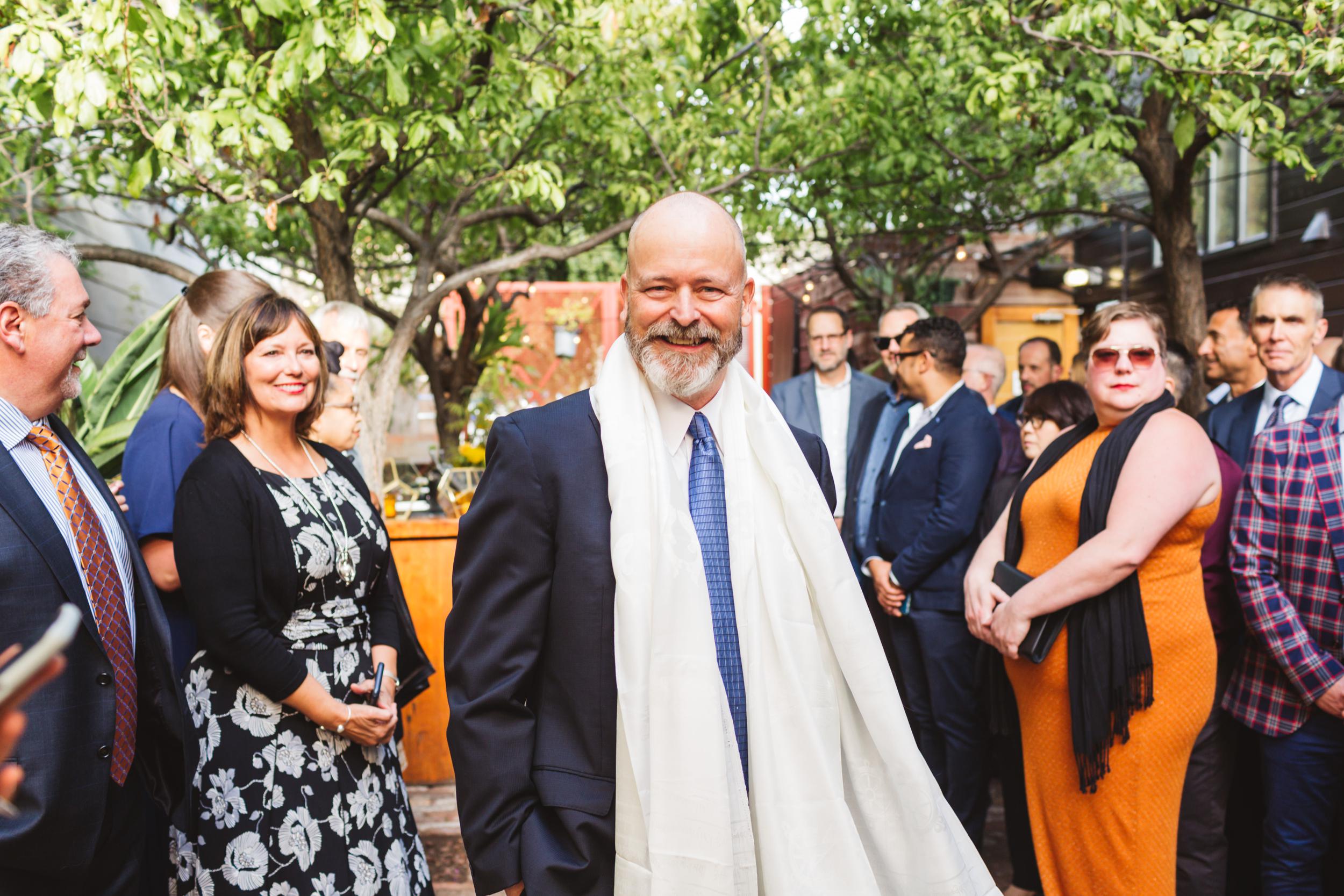
Evan has also occasionally taught meditation around the Bay Area at various sitting groups.
Most meditation sitting group meetings consist of a sitting meditation of 20-45 minutes and then a talk on meditation, the teachings of the Buddha, or some other relevant topic. Evan has offered the following talks at various sitting group meetings or classes and is happy to provide them to you here. May you be happy, healthy, at ease, and free from suffering.
Speaker: Evan Kavanagh
Speaker: Evan Kavanagh
Speaker: Evan Kavanagh
Speaker: Evan Kavanagh
Speaker: Evan Kavanagh
Speaker: Evan Kavanagh
Speaker: Evan Kavanagh
Speaker: Evan Kavanagh
Speaker: Evan Kavanagh
Speaker: Evan Kavanagh